Small and medium-sized enterprises (SMEs) face a unique set of challenges in today’s rapidly evolving business landscape. One of the most persistent hurdles is managing a workforce that is increasingly mobile, distributed, and demanding flexibility. Gone are the days when a simple punch-card system or a static spreadsheet could adequately track employee hours and whereabouts. Today, businesses need dynamic, responsive solutions to keep up with their operational needs.
Whether your team is deployed across various client sites, working remotely, or operating in multiple warehouse locations, knowing who is working, when they are working, and where they are located is critical. This guide explores how SMEs can leverage mobile-based tracking, geo-location features, and comprehensive reporting to streamline their workforce operations.
The Evolution of Workforce Tracking in SMEs
Historically, timekeeping was a manual and tedious process. Employees signed physical ledgers or used mechanical punch clocks. As technology advanced, these methods gave way to early digital systems, which, while an improvement, still tied workers to a specific physical terminal or required them to log onto a desktop computer on the local network.
For an SME with field agents, construction workers, or a distributed sales team, these legacy systems simply do not work. They result in delayed data, frequent errors, and an administrative nightmare for HR departments trying to reconcile hours at the end of the month. The modern solution lies in the devices that almost every employee already carries in their pocket: smartphones.
The Shift to Mobile-Based Timekeeping
Embracing a mobile-first approach fundamentally changes how businesses handle human resources. A robust approach to sme attendance tracking is indispensable for growing companies looking to maintain accountability without implementing overly restrictive micro-management tactics.
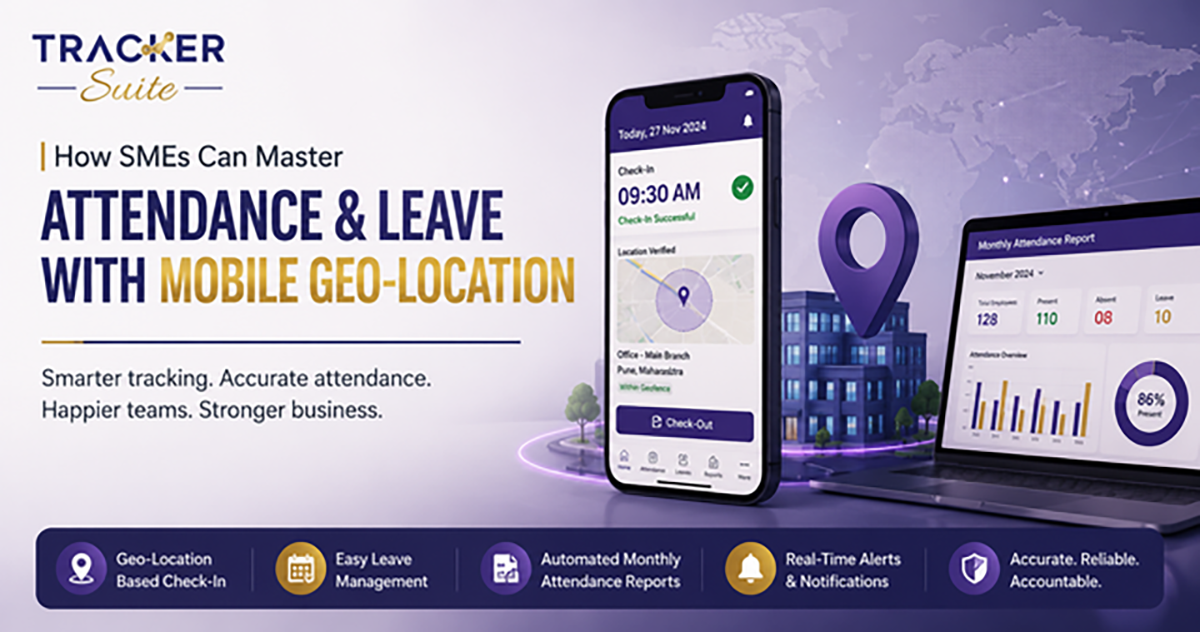
With mobile applications, employees can clock in and out with a simple tap on their screens. This not only empowers the employee with a user-friendly interface but also provides management with instantaneous data. Supervisors can see in real-time who has started their shift, who is running late, and who is absent, allowing for immediate operational adjustments.

What is Geofencing and How Does It Improve Accuracy?
One of the primary concerns business owners have with remote clock-ins is verification. How do you ensure that an employee logging in for a shift at a specific client site is actually there, rather than still sitting at home? This is where geo-location technology becomes invaluable.
By leveraging geofencing attendance solutions, administrators can create virtual boundaries—or “geofences”—around specific physical locations, such as an office building, a construction site, or a client’s headquarters.
When geofencing is enabled, the mobile app utilizes the smartphone’s GPS to verify the user’s location. The system will only permit the employee to check in if they are physically within the designated boundary.
Benefits of Geofencing for SMEs:
- Elimination of Time Theft: Ensures employees are genuinely on-site when they claim to be, saving the company money on unworked hours.
- Increased Safety and Accountability: In industries like construction or field services, knowing exactly who is on-site at any given time is vital for safety protocols.
- Automated Site Specifics: Advanced systems can automatically associate logged hours with specific projects or sites, simplifying billing and cost-tracking.
Seamless Employee Leave Management for SMEs
Attendance tracking isn’t just about recording the hours worked; it’s equally about managing the hours not worked. Handling vacation requests, sick days, and other absences through email chains or paper forms is highly inefficient and prone to errors.
Implementing centralized employee leave management tools within your mobile workforce app transforms this process. Employees can check their available leave balances, submit time-off requests, and attach relevant documentation (like medical certificates) directly from their phones.
Managers receive instant notifications—often via push alerts or platforms like WhatsApp—allowing them to approve or deny requests with a single click. The system automatically updates the team calendar and adjusts the employee’s leave balance, ensuring total transparency and preventing scheduling conflicts.
The Power of the Monthly Attendance Report
Data is only useful if it can be easily analyzed and acted upon. For SME owners and HR managers, the end of the month usually brings the stressful task of payroll processing.
By utilizing a system that automatically generates a comprehensive monthly attendance report, companies can drastically reduce their administrative overhead. These reports aggregate all daily check-ins, check-outs, recorded breaks, overtime hours, and approved leaves into one clean, exportable document.
Instead of spending days manually calculating hours and cross-referencing spreadsheets, payroll administrators can export the finalized monthly attendance report and feed it directly into their payroll software. This ensures accurate compensation, keeps employees happy, and maintains compliance with labor regulations.
Integrating Attendance with Broader Operational Goals
As businesses scale, tracking time and attendance shouldn’t happen in a vacuum. It must connect with how daily work and long-term milestones are executed. This brings us to the critical importance of specialized administrative tools. For instance, selecting the right management project software is crucial for ensuring that the hours logged by your team translate directly into productive, measurable outputs. Whether you are assigning tasks on a factory floor or managing remote developers, attendance and task execution are deeply intertwined.
When undertaking any management software project, such as transitioning your company to a new digital ecosystem, leaders must ensure that time tracking is fully integrated into the rollout. Relying on a siloed, standalone system creates blind spots where HR data and operational data fail to match up. By contrast, a unified pm project management software acts as a central hub where attendance data actively informs project timelines, resource allocation, and overall productivity metrics.
Consider the lifecycle of a standard assignment. When you initiate a new project in software project management applications, you need to assign personnel based on their availability. If your leave management system isn’t communicating with your task manager, you risk assigning critical, time-sensitive work to an employee who is scheduled to be on vacation. The seamless blending of project management and software solutions eliminates this risk, providing real-time visibility into who is working, where they are, and what exactly they are doing.
In the past, basic project management computer software might have offered simple Gantt charts and static to-do lists. Today, the demands of the modern business are much higher. Systems must account for distributed teams, varied time zones, and mobile-first workforces. This is particularly true when setting up project management for software development, IT operations, or field services, where agile methodologies require constant communication and immediate updates. The rapid evolution of project management in software means that these tools now actively facilitate team collaboration rather than just recording historical data.
Furthermore, leveraging sophisticated project management it software allows HR and operations managers to automate routine checks. Rather than chasing down timesheets at the end of the week, supervisors can review real-time dashboard analytics. As organizations evaluate different platforms, the search for the perfect project management management software often leads them to comprehensive suites like TrackerSuite.ai, which elegantly bundle task workflows with precise timekeeping.
Ultimately, the successful project management of software adoption relies heavily on user buy-in. If the tools are clunky or cumbersome, employees will resist using them. However, when mobile attendance tracking and geo-location features are baked into an intuitive, user-friendly interface, compliance naturally increases, driving better data and substantially better business outcomes.
Why Choose TrackerSuite.ai for Your SME?
If you are an SME looking to upgrade your workforce operations, TrackerSuite.ai offers a Business Automation Toolkit specifically designed to address these challenges without breaking the bank. TrackerSuite provides modular add-ons that allow companies to scale their technology alongside their growth:
- Geofencing Add-On: At just USD 2.18 per user/month on the Growth Plan, you can unlock unlimited geofence sites, ensuring real-time location accuracy for all field workers.
- Multiple Shifts: For operations that run around the clock, TrackerSuite supports multi-shift attendance modules for an accessible USD 1.36 per user/month, making it easy to manage early, late, and night shifts.
- Advanced Workflow: Break large projects into manageable, actionable steps with the workflow module, bringing clear ownership and real-time progress tracking to your attendance data.
- Automated Notifications: The platform integrates deeply with tools employees already use, offering automated daily reports and reminders via WhatsApp and push notifications directly on the mobile app.
With additional features like AI-based predictive tasking powered by TAVI, real-time performance scores, and infographics dashboards, TrackerSuite.ai operates as an affordable, all-in-one solution tailored for MSMEs.
Real-World Financial Impacts
Implementing a strict but fair mobile tracking system has immediate financial benefits. According to data gathered by TrackerSuite, companies leveraging these automated systems often witness up to 56% revenue growth from previous stagnancy, alongside a 23% improvement in overall profitability.
When a company reduces the administrative burden of manually calculating hours and correcting timesheet errors, HR personnel are freed up to focus on strategic initiatives—like employee retention and training—rather than repetitive data entry. Furthermore, by optimizing spend and identifying inefficiencies through detailed charts and performance overviews, companies have reported reducing operational costs by as much as 20% amid growth phases.
Best Practices for Rolling Out Mobile Tracking
Introducing location-based attendance tracking can sometimes be met with resistance from employees who may feel their privacy is being compromised. To ensure a smooth rollout, SMEs should follow a few key best practices:
- Transparent Communication: Clearly explain why the system is being implemented. Emphasize that geofencing only tracks location at the exact moment of clocking in and out, not their movements throughout their personal time.
- Highlight Employee Benefits: Show the team how the system benefits them—such as easier leave requests, faster payroll processing, and no more lost paper timesheets.
- Provide Adequate Training: Even if the app is user-friendly, host a brief training session to walk everyone through downloading the app, setting up their profile, and executing their first check-in.
- Establish Clear Rules: Define policies regarding forgotten clock-ins, device malfunctions, and the process for manual overrides if an employee is working at an unexpected off-site location.
The Future of SME Workforce Management
As remote and hybrid work models continue to solidify their place in the modern economy, the reliance on mobile-first management solutions will only grow. We can expect to see deeper integration of artificial intelligence in these platforms—such as TrackerSuite’s TAVI—predicting resource bottlenecks before they happen, automatically suggesting shift reassignments based on historical leave data, and providing even more granular insights into team performance.
By adopting a mobile attendance and geo-location strategy today, your SME not only solves its immediate payroll and tracking headaches but also builds a scalable digital foundation capable of supporting future growth and technological advancements.
Conclusion
Managing a growing SME workforce doesn’t have to mean drowning in administrative paperwork or guessing about employee attendance. By leveraging mobile-based attendance tracking, precision geofencing, and automated leave management systems, business leaders can regain control over their operations. Coupled with comprehensive monthly attendance reports and tightly integrated task management software, platforms like TrackerSuite.ai provide the visibility, accountability, and efficiency necessary to thrive in a competitive market.
Leave a Reply