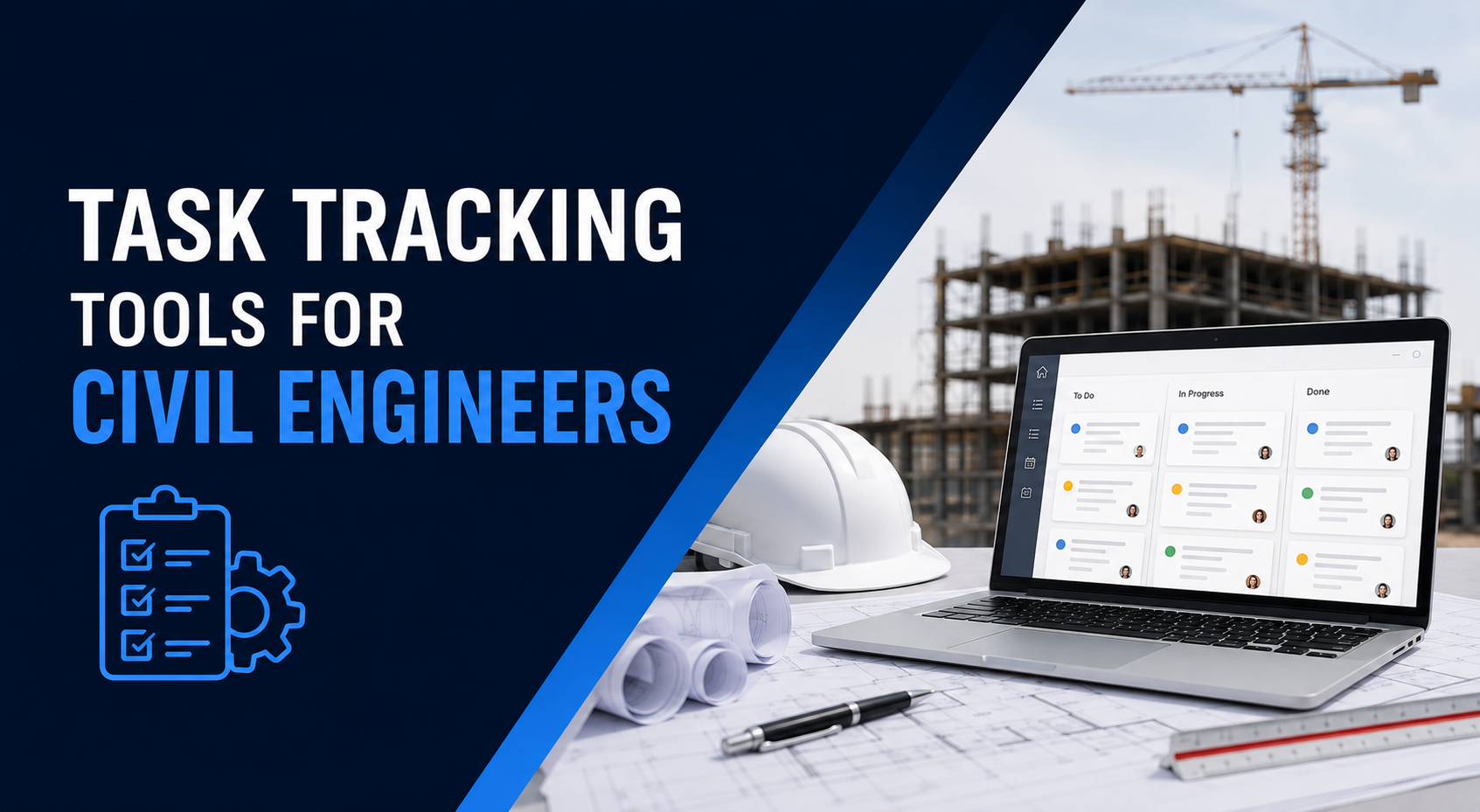
Heavy civil engineering operations require strict time precision, where uncoordinated handoffs and delayed field inspections cause catastrophic structural defects and soaring equipment demurrage charges. When soil compaction sign-offs, rebar placement verifications, and transit mixer dispatches fall out of sequence, projects face severe financial and schedule overruns.
Key Takeaways
- Perishable Hydration Limits: Ready-mix concrete operates under strict chemical hydration windows where a 30-minute communication lag can cause cold joints, aggregate segregation, or complete batch rejections.
- Demurrage and Idle Asset Control: Connecting field activities to real-time tracking eliminates costly demurrage by synchronizing hydraulic excavators, boom pumps, and transit mixer fleets.
- Defensible Quality Records: Replacing disconnected phone calls and paper logs with mobile digital checklists establishes immutable audit trails for structural sign-offs and regulatory compliance.
- Enterprise-Wide Decision Support: Centralized operational task data bridges field engineers, project managers, data analysts, executive assistants, and company leadership across multiple job sites.
What Makes Civil Engineering Execution Exceptionally High-Risk?
Civil engineering projects involve perishable construction materials, high-capacity machinery, and stringent safety standards that make physical execution far riskier than traditional project environments. A minor procedural delay on the subgrade or at the batch plant compromises entire structural elements, risking costly demolition and schedule penalties.
According to research compiled across the construction sector, including findings published by PlanRadar (2025) and industry analyses by Dusty Robotics (2025), project rework costs the U.S. construction industry an estimated $177 billion annually. Rework consistently accounts for between 4% and 10% of total project expenditure, with poor site-to-office communication and fragmented documentation responsible for more than $31 billion of those losses.
Furthermore, Deloitte’s 2026 Engineering and Construction Industry Outlook emphasizes that tight operating margins, skilled craft labor constraints, and complex project delivery models necessitate end-to-end digital visibility across physical job sites. When coordination relies on unverified phone calls, casual messaging threads, or static spreadsheets updated hours after shifts conclude, project managers cannot intervene before non-conforming structural work hardens in place.
“Uncoordinated handovers and unverified field inspections remain the leading drivers of preventable structural rework across major civil infrastructure programs.” (Deloitte, 2026)
Why Do Traditional Handovers Cause Concrete Defects and Equipment Demurrage?
Traditional manual handovers fail because they lack instant operational feedback loops between the site engineer, quality testing technician, dispatch operator, and plant superintendent. Paper forms and disconnected digital notes create communication delays that directly conflict with concrete curing kinetics and heavy machinery billing schedules.
In standard structural operations, ready-mix concrete governed by ASTM C94 standard specifications must be discharged and placed within a 90-minute or 300-drum-revolution window following batch water introduction. If subgrade excavation compaction is delayed, formwork cleanliness is unverified, or reinforcement clearance chairs are displaced without prompt resolution, transit mixers queue at the gate. As drum rotation exceeds critical thresholds, slump loss and initial hydration set in, resulting in unworkable batches, honeycombing, or unauthorized water additions that compromise structural compressive strength.
Similarly, high-capacity plant assets—such as 50-ton hydraulic excavators, trench shoring assemblies, and 42-meter boom pumps—accrue demurrage charges exceeding hundreds of dollars per idle hour. When earthmoving teams complete an excavation cut but cannot secure immediate sign-offs for geotechnical inspection, downstream foundation and structural crews stand idle, compounding overhead expenses.
At a glance
- Primary structural vulnerability: Cold joints, voiding, and honeycombing from batch placement delays.
- Primary financial leak: Equipment demurrage fees and unutilized operator standby hours.
- Primary communication failure: Delayed quality sign-offs between site inspectors and office engineers.
- Compliance benchmark: ASTM C94 90-minute batch discharge limit.
What Workflows Can Civil Engineers Automate on Active Jobsites?
Civil engineering teams can automate recurring quality verifications, equipment stage gates, materials testing, and administrative escalation workflows across the entire project lifecycle. Transitioning manual handoffs to structured digital sequences ensures no critical quality step is bypassed during rapid field operations.
Key workflows that benefit immediately from automated tracking include:
- Pre-Pour Stage-Gate Checklist Verification: Automates sequential sign-offs for rebar tying, cover clearance, embedded sleeve placement, formwork bracing, and vapor barrier integrity prior to dispatch release.
- Real-Time Slump and Air Entrainment Logging: Enables field technicians to record ASTM C143 slump measurements and ASTM C231 air content directly from mobile devices, instantly notifying the project engineer.
- Ready-Mix Transit and Pour Timestamping: Tracks batch departure, site arrival, initial discharge, and final placement milestones to enforce strict compliance with hydration envelopes.
- Excavation Compaction and Geotechnical Sign-Offs: Coordinates nuclear density gauge compaction tests across structural lifts, unlocking subsequent trench backfill tasks automatically upon passing threshold values.
- Heavy Plant Demurrage and Operating Hours Tracking: Captures active runtime, standby downtime, maintenance triggers, and handover transitions for boom pumps, cranes, and earthmovers.
- Defect and Honeycombing Non-Conformance Logging: Logs surface blemishes, voiding, or cold joints post-stripping with attached geotagged photographs, instantly generating corrective action tasks for remediation crews.
- Daily Shift Handover and Progress Consolidation: Collates field crew outputs, active headcount, machinery status, and weather interruptions into automated daily progress summaries.
How Do Task Tracking Tools Improve Cross-Functional Decision Making?
Connected task tracking tools improve cross-functional decision making by converting unstructured jobsite actions into centralized, structured operational datasets that reveal systemic bottlenecks. Rather than relying on anecdotal foreman reports, project leaders can evaluate objective completion rates, stage-gate cycle times, and recurring quality variance points.
This single source of operational truth serves multiple distinct roles across the broader organization:
- For Civil Engineers and Field Superintendents: Real-time visibility into whether pre-pour quality conditions have been validated prevents premature casting and identifies equipment access conflicts early.
- For Data Analysts and Operations Planners: Standardized task duration logs and handover timestamps provide clean operational inputs for data analysts to forecast future crew productivity, refine bid estimates, and detect vendor delivery patterns.
- For Executive Assistants and Project Coordinators: Centralized tracking dashboards streamline executive reporting, contract milestone billing verifications, and stakeholder communications without requiring hours of manual data collation.
- For Entrepreneurs and Construction Enterprises: Scalable task tracking platforms establish standard operating procedures across regional branches, ensuring consistent governance whether managing two active jobsites or two hundred.
In cross-disciplinary organizations that span technical infrastructure, creative event production, marketing, and logistics, modern task tracking frameworks deliver universal operational benefits by enforcing accountability, milestone transparency, and repeatable execution across diverse teams.
What Should Construction Enterprises Look for in an Operations Platform?
Construction enterprises evaluating task tracking platforms must prioritize mobile field reliability, offline capability, geolocation verification, automated recurring workflows, and customizable role-based permissions. A platform designed solely for office-bound software sprints will fail in dynamic jobsite conditions.
Key selection criteria include:
- Mobile and Geolocation Capability: Field technicians and equipment supervisors must be able to log tasks and verify attendance directly from active construction sectors with verified location stamps.
- Multi-Shift and Team Coordination: Support for complex contractor structures, multi-tier shift rotations, and vendor handovers ensures uninterrupted workflow continuity.
- Configurable Stage Gates and Checklists: The platform must allow engineering managers to enforce strict procedural sequences where a downstream task cannot trigger until mandatory testing criteria are verified.
- Automated Alerts and Multi-Channel Reporting: Instant notifications sent via integrated channels like WhatsApp and automated email summaries keep field foremen and senior management aligned without constant manual chasing.
- Connected Inventory and Asset Tracking: Seamless integration between task assignments and physical inventory tracking prevents material shortages before scheduled pours.
- When a Simple Tool is Enough: For very small specialty subcontractors operating single-shift jobs with three or four permanent workers, a basic spreadsheet or digital to-do list may suffice. However, as soon as an enterprise manages multiple equipment fleets, regional job sites, and strict third-party engineering inspections, a connected operations platform becomes essential.
How TrackerSuite Fits Civil Engineering and Site Operations
TrackerSuite provides an AI-powered business operations platform designed to connect people, recurring workflows, jobsite data, and automation so expanding engineering and construction businesses can scale with complete control.
Civil engineering firms utilize TrackerSuite’s dedicated toolkit to solve high-stakes field challenges:
- Task Tracker with Geolocation: Empowers site engineers to assign, monitor, and sign off on field inspections with verified geographic coordinates, ensuring technicians are physically present at the trench or formwork before logging approvals.
- Recurring Workflow Engine: Standardizes mandatory daily inspection checklists, equipment pre-start maintenance checks, and slump test logs, removing manual oversight friction for superintendents.
- Automated WhatsApp and Email Notifications: Distributes automated progress summaries and overdue alerts directly to managers and field supervisors, preventing neglected approvals from stalling active equipment.
- Stack Tracker Integration: Connects task milestones with material inventories, helping logistics teams monitor cement, rebar, chemical admixtures, and curing blankets across disparate jobsite yards.
- Intelligent Operations Analytics: Delivers high-level dashboards that help project executives track operational efficiency, contractor accountability, and completion timelines across all active civil contracts.
Practical Implementation Approach: 5 Steps to Connect Field Workflows
Transitioning an engineering organization from fragmented communication to a structured digital tracking platform requires a staged, disciplined rollout that prioritizes field usability over bureaucratic complexity.
- Step 1: Map Critical Quality and Equipment Gateways: Identify the top operational friction points that drive cost overruns—such as pre-pour sign-offs, slump logging, and boom pump dispatch handoffs.
- Step 2: Build Standardized Digital Checklists: Convert complex engineering standard operating procedures (SOPs) into concise mobile checklists with mandatory photo attachments and pass/fail parameters.
- Step 3: Pilot with a Single Structural Work Package: Deploy the workflow platform on a defined project phase, such as foundation excavation and substructure casting, to train foremen and refine form fields.
- Step 4: Configure Automated Escalations and Notifications: Establish automatic alerts for inspections approaching critical time limits (such as a 60-minute mark on active ready-mix trucks) to prompt supervisory intervention.
- Step 5: Review Bottleneck Data and Scale Across Sites: Analyze stage-gate completion cycle times, identify recurring quality holds, and roll out the standardized workflow template across all regional construction sites.
What This Means for You
If you manage civil infrastructure, structural contracting, or complex field operations, eliminating communication blind spots directly protects your operating margins. Connecting task tracking, inspection verification, and equipment utilization inside a unified platform prevents costly pour defects, reduces plant demurrage, and provides clear visibility across your entire workforce.
To see how your teams can streamline project handovers, enforce quality compliance, and scale operations efficiently, explore TrackerSuite’s complete operations and task management platform or connect with our team to configure your field workflows today.
Frequently Asked Questions
How does a task tracking tool prevent cold joints during large concrete pours?
A task tracking tool enforces mandatory pre-pour verification stages so that forms, rebar, and access routes are fully approved before transit mixers leave the batch plant. By logging arrival and discharge timestamps in real time, the system flags delays early, allowing superintendents to re-route deliveries or adjust pour sequences before initial set occurs.
Can task tracking software reduce heavy equipment rental expenses?
Yes. By synchronizing excavation completion, inspection sign-offs, and downstream trade handovers, tracking platforms ensure that expensive machinery like cranes and concrete pumps operate at peak utilization. This prevents leased equipment from idling on standby while crews wait for administrative sign-offs.
How do field engineers use task tracking without slowing down physical site work?
Modern task tracking tools provide lightweight mobile checklists with one-tap status updates, camera integrations, and voice-to-text notes. Engineers complete quality verifications directly at the work face in seconds, eliminating hours of manual evening paperwork.
Related resource
About the author
Himanshu Shukla · Founder & CTO, RankMesh
Himanshu Shukla is the Founder & CTO of RankMesh, where he leads product direction, AI search strategy and platform architecture. He builds the systems that help businesses get found on Google and cited by AI assistants like ChatGPT, Gemini and Perplexity.
Leave a Reply